With the NBA regular season opening next Tuesday, the late-draft work is shifting from broad rankings to availability, role clues and the small pieces of preseason news that can move a player several rounds.
| Player | Last season: per-game rank | Last season: total-value rank | Games played |
|---|---|---|---|
| Mikal Bridges | 40th | 16th | — |
| Stephen Curry | 9th | 88th | 43 |
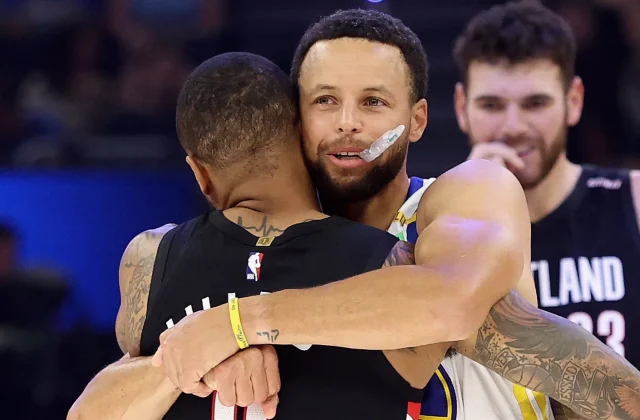
The split between Curry and Bridges is the cleanest draft-room reminder that per-game production and season-long accumulation are not the same thing. Bridges’ durability pushed his total result well above his game-by-game standing. Curry remained a top-10 producer whenever he took the floor, but his 43-game season dragged down the overall finish.
Golden State coach Steve Kerr has said Curry will have his workload managed again this year. That does not erase Curry’s ceiling, but it changes the calculation around his draft cost: managers are buying elite production while accepting a greater risk of missed games.
Draft room preparation
Average draft position remains a useful market snapshot, especially in the final days before the season. It can show where a player is routinely being selected, whether a recent fall has created value, or whether the market has reacted to fresh news such as an expected minutes restriction or an injury absence.
Mock drafts are the practical follow-up. Running drafts from multiple slots helps map positional runs, identify players likely to disappear before a pick comes up and build alternatives when a preferred target goes off the board. Managers who learn their draft position only shortly before the room opens can still benefit by testing several spots rather than preparing for one ideal scenario.
Lineup developments matter as much as rankings. Injury reports, absences and projected starters can reshape a rotation quickly during preseason. Alerts from NBA reporters including Shams Charania, Jake Fischer and Chris Haynes can help keep a draft board current, while RotoWire NBA can be used to track the fantasy impact of that news.
Per-game rankings offer the stronger read on a player’s impact when available. Total value still carries meaning as a measure of reliability, particularly in head-to-head formats, but it should not automatically outweigh a player’s ceiling. Basketball Monster allows last season’s results to be viewed through either lens.
Players drawing draft interest
The preferred targets lean toward upside, price and roster construction rather than one fixed ranking. The guard group includes lead creators, younger breakout bets and late-round rotation swings.
Guards
- LaMelo Ball, Timberwolves
- Trae Young, Wizards
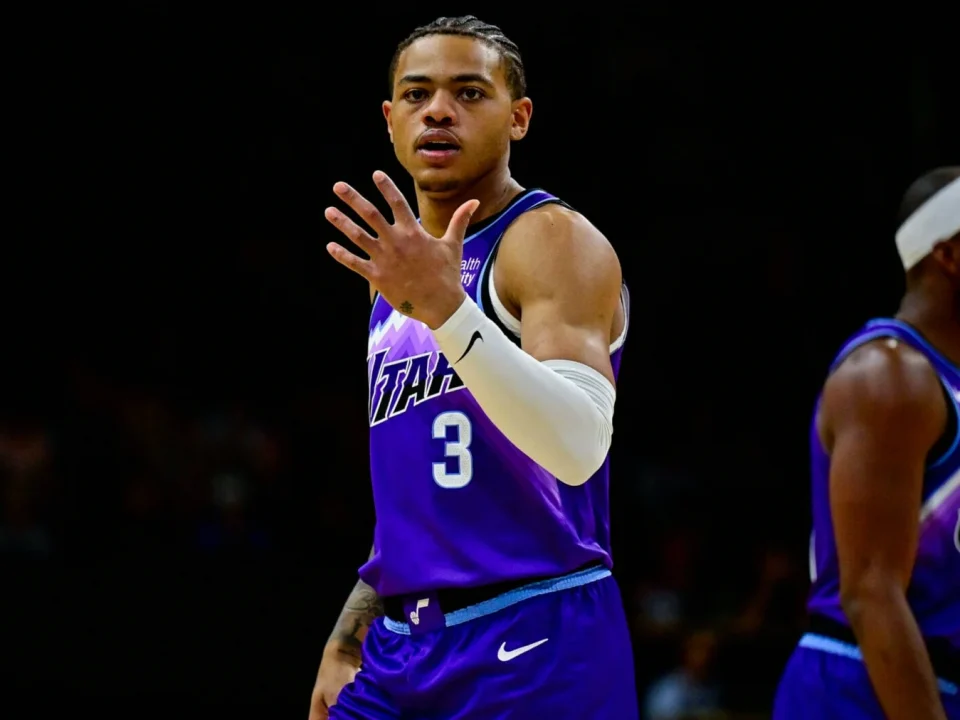
- Keyonte George, Jazz
- Ryan Rollins, Bucks
- Dylan Harper, Spurs
- Ty Jerome, Grizzlies
On the wing, the targets include players with room for larger offensive assignments as well as forwards whose two-way roles can keep them on the floor.
Forwards
- Brandon Miller, Hornets
- Matas Buzelis, Bulls
- Ausar Thompson, Pistons
- Jaden McDaniels, Timberwolves
- Collin Murray-Boyles, Raptors
- Rui Hachimura, Clippers
At center, the list focuses on players who can return value through expanded roles, developmental upside or a path to more dependable minutes.
Centers
- Onyeka Okongwu, Hawks
- Kel’el Ware, Bucks
- Khaman Maluach, Suns
- Day’Ron Sharpe, Nets
The final call is balance. A roster built entirely around dependable total value can leave points on the board, while a team loaded with injury-prone stars can run short on games. Curry’s situation is the early-season case study: the production is unquestioned, but the calendar and the Warriors’ workload plan have to be part of the price.