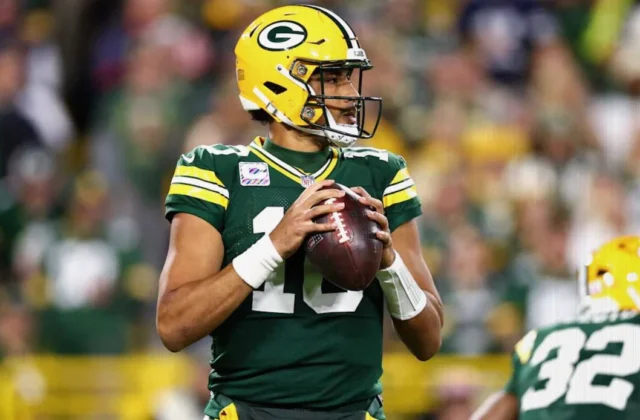
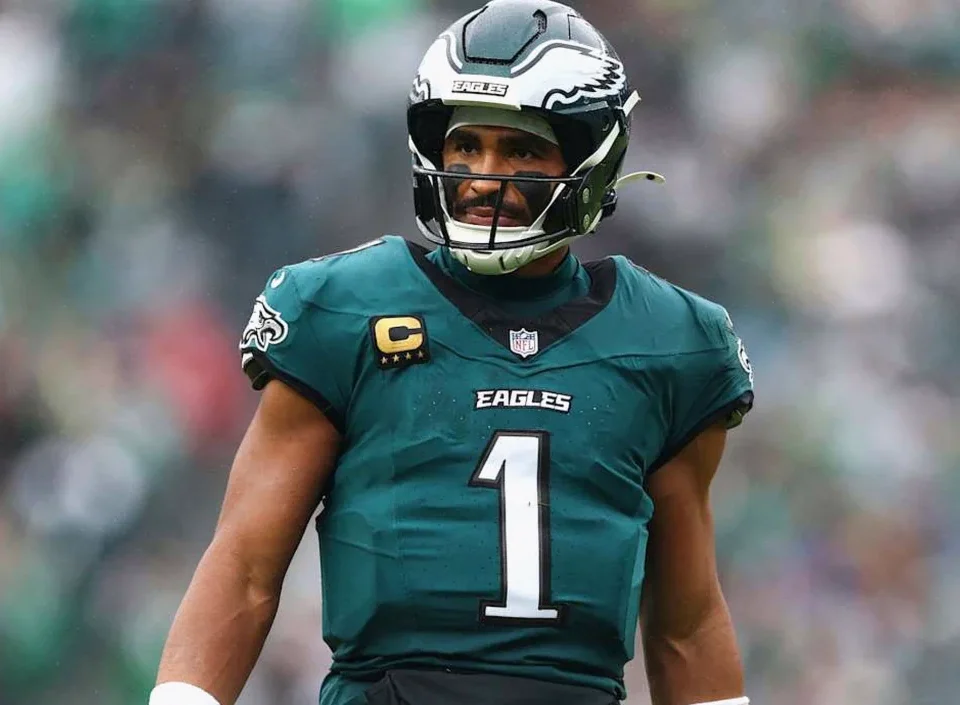
NFL chief medical officer Dr. Allen Sills strongly backed the Philadelphia Eagles’ handling of Jalen Hurts’ health emergency, saying the quarterback received cautious, patient-first care before a blood clot in his left calf reached his lungs and ended his season.
Key takeaways
- Hurts has been placed on injured reserve and is expected to miss the remainder of the season.
- The Eagles and Hurts’ agent, Nicole Lynn, said he has deep vein thrombosis and pulmonary embolisms in both lungs.
- Hurts cannot take part in football activities while he remains on blood-thinning medication.
- League officials said they stayed in contact with Philadelphia’s medical team and the Cleveland Clinic in London during the case.
- NFL executive vice president Jeff Miller rejected speculation about Hurts’ actions before he went to the stadium last weekend.
NFL supports Eagles’ medical decisions
Speaking at the league’s annual fall meeting Tuesday, Sills said Philadelphia’s doctors acted carefully at each stage of the quarterback’s treatment. He described the response as conservative and centered on the player’s well-being, adding that a serious medical outcome does not automatically mean the earlier process was mishandled.
Sills said medical conditions can worsen even when doctors make appropriate decisions. In Hurts’ case, he said the medical teams were vigilant and moved quickly to identify issues that could potentially have gone undetected in someone outside elite sports.
The chief medical officer emphasized that player health takes precedence over competitive considerations. He dismissed the idea that any club or league physician would knowingly expose a player to danger, calling that suggestion unfounded.
The NFL and NFL Players Association review blood-clot cases each year, Sills said. He declined to discuss more details of Hurts’ case because of medical privacy, while noting that clot treatment requires doctors to assess a range of individual factors.
London diagnosis and travel questions addressed
Hurts played against the Jacksonville Jaguars in London on Oct. 11, after telling the Eagles’ medical staff about a calf issue following practice three days earlier. Specialists in London initially diagnosed a superficial vein thrombosis in his left calf.
Sills praised the examination in London, citing advanced imaging and what he viewed as prudent decision-making. He said the timing of the evaluations and the treatment choices reflected an abundance of caution.
Hurts later developed deep vein thrombosis, with the clot traveling to his lungs and causing bilateral pulmonary embolisms. His recovery will include blood thinners, which prevent him from returning to any on-field or football-related work until he is no longer taking them.
Miller also addressed reports and online discussion concerning Hurts’ movements last weekend. He said Hurts returned to his hotel, slept for roughly seven or eight hours, then went to the stadium. Miller said the league had reviewed the sequence with Eagles personnel, people monitoring the case on site, and independent hospital doctors, leaving officials with a full picture of what occurred.