Points leagues flatten the shooting-percentage debate and put the focus back on the nightly box score: points, rebounds, assists, steals, blocks and availability. Nikola Jokić sits at the head of this early 2026-27 board, but the real movement comes from changing usage maps across the league — Luka Dončić owning the Lakers offense, Giannis Antetokounmpo landing in Miami, LeBron James and Jaylen Brown joining Philadelphia, and young guards inheriting bigger control of the ball.
2026-27 Fantasy Basketball Points-League Top 150
SEO Title: 2026-27 Fantasy Basketball Points League Rankings: Jokić, Wembanyama, Dončić Lead
SEO Description: Early 2026-27 NBA fantasy points-league rankings, featuring Nikola Jokić, Victor Wembanyama, Luka Dončić and the rotation, minutes and usage situations shaping the board.
Points formats reward the accumulation game. That gives Jokić the safest floor in the pool, keeps elite playmaking centers elevated, and softens the penalty for guards whose volume comes with turnovers or uneven shooting. It also means several 3-and-D specialists and percentage-driven bigs slide behind players who simply fill more rows every night.
Rounds 1-3: Build Around Usage, Playmaking and Big Minutes
| Range | Player | Points-league notebook |
|---|---|---|
| 1 | Nikola Jokić, Nuggets | Elite scoring, rebounding and assists, with regular triple-doubles and roughly 70-game availability. Turnovers barely dent the profile. |
| 2 | Victor Wembanyama, Spurs | Blocks carry less weight than in category leagues, but 25-plus points, double-digit rebounds and secondary playmaking still make him a premium anchor. |
| 3 | Luka Dončić, Lakers | With LeBron James now in Philadelphia, Dončić has the Lakers offense in his hands. A 30/8/8 line remains within reach. |
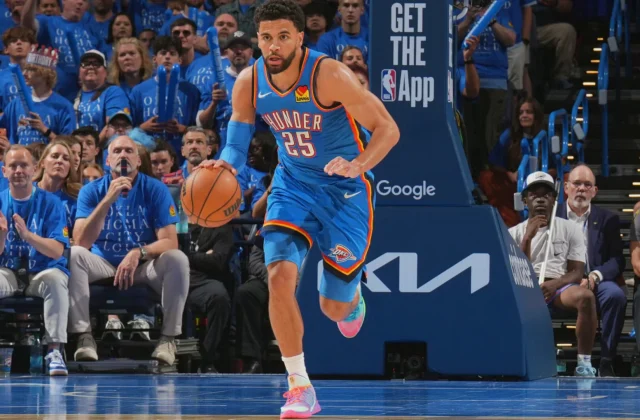
| 4 | Shai Gilgeous-Alexander, Thunder | His efficiency and free-throw edge matter less here, though he remains a top-five overall producer. |
| 5 | Cade Cunningham, Pistons | Heavy usage, strong rebounding for a point guard and major assist volume outweigh his turnovers. He will play the full season at age 25. |
| 6 | Giannis Antetokounmpo, Heat | Miami can bank on a high-minute line around 30 points, 11 rebounds and six assists. Missing threes and free-throw issues are category concerns. |
| 7 | Cooper Flagg, Mavericks | Finished his rookie campaign strongly and contributes across the sheet. Kyrie Irving’s return should improve Dallas without taking away major touches. |
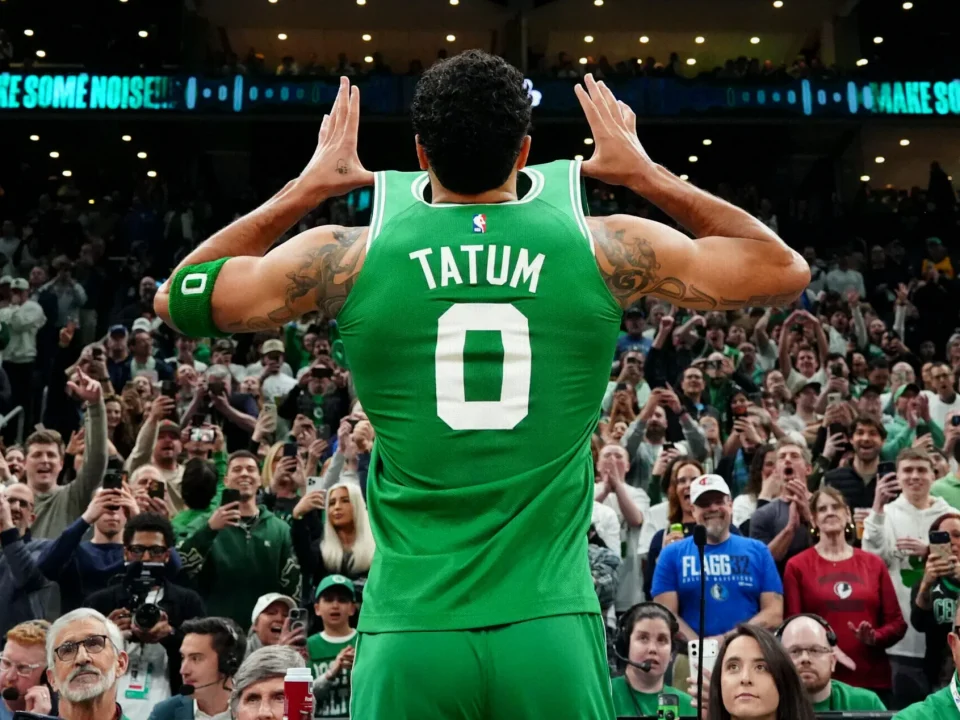
| 8 | Jayson Tatum, Celtics | One season removed from the Achilles injury, Tatum is Boston’s clear No. 1 after Jaylen Brown’s departure. Early-season minute management is the concern. |
| 9 | Tyrese Maxey, 76ers | Brown and James create a real usage question, but even reduced volume from last season’s 27-point, seven-assist production leaves a high-end result. |
| 10 | Anthony Edwards, Timberwolves | LaMelo Ball’s arrival improves the roster but could trim assist chances. Edwards’ scoring volume remains the engine. |
| 11 | Jalen Johnson, Hawks | Atlanta’s franchise forward has a 20/10/6 shape with defensive stats. Availability is the only substantial risk. |
| 12 | Scottie Barnes, Raptors | Kawhi Leonard replacing Brandon Ingram may lower usage, but Barnes can replace touches through rebounds, assists and defensive production. |
| 13 | Karl-Anthony Towns, Knicks | A 24-point, 12-rebound center remains a clean second-round piece once percentages are removed from the equation. |
| 14 | Alperen Şengün, Rockets | Career-best assist numbers have made him a center-position triple-double threat, one of the best builds for this format. |
| 15 | Donovan Mitchell, Cavaliers | James Harden handles more of the setup work, but Mitchell’s scoring and games-played reliability remain sturdy. |
| 16 | Kevin Durant, Rockets | Still capable of 26 points with useful wing rebounding and assists. He turns 38 late in September, making rest and decline the variables. |
| 17 | Jalen Brunson, Knicks | New York’s title roster remains intact, leaving Brunson atop one of the league’s most stable usage environments. |
| 18 | Amen Thompson, Rockets | His imperfect shooting is discounted while his points, boards, assists, steals and blocks all translate. |
| 19 | Tyrese Haliburton, Pacers | He returns from an Achilles tear to an offense built around his passing. Some maintenance days are possible. |
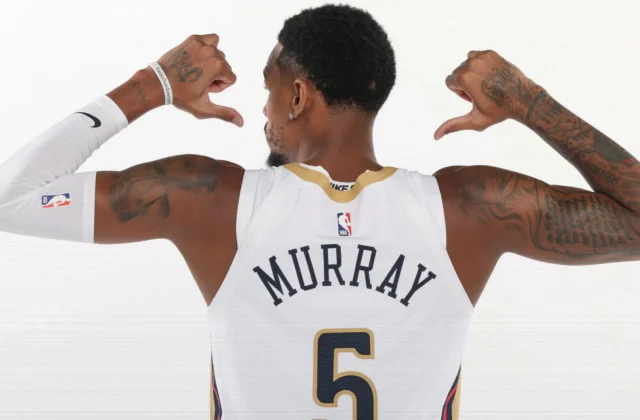
| 20 | Jamal Murray, Nuggets | A career year was aided by Denver injuries, but he remains Jokić’s clear second engine on a fast-moving offense. |
| 21 | Devin Booker, Suns | A down shooting season does not erase his role as Phoenix’s top creator and highest-usage player. |
| 22 | Jaylen Brown, 76ers | He will not carry the same Boston No. 1 workload, but Philadelphia’s likely Embiid absences and James maintenance keep a top-two offensive role open. |
| 23 | Trae Young, Wizards | Washington has no comparable primary organizer. Ten-assist upside outweighs the turnover penalty. |
| 24 | Austin Reaves, Lakers | Efficiency concerns are less important with James gone; Reaves becomes a high-volume secondary creator beside Dončić. |
| 25 | LaMelo Ball, Timberwolves | The per-game output belongs higher, but his durability and Edwards’ control of the offense keep the range wide. |
| 26 | Kawhi Leonard, Raptors | Last year’s health was encouraging, yet Toronto’s depth gives the club room to rest him. When active, he brings scoring and defensive stats. |
| 27 | Anthony Davis, Wizards | Only 20 games last season, but his active-night scoring, rebounding and blocks still carry first-round weight. |
| 28 | Paolo Banchero, Magic | A 25-point, eight-rebound, five-assist forward gets a major boost when percentage categories disappear. |
| 29 | Josh Giddey, Bulls | Coming off a career year and remains Chicago’s offensive hub despite added depth around him. |
| 30 | Domantas Sabonis, Kings | With Russell Westbrook retired and DeMar DeRozan in Denver, Sabonis has a path back to a larger usage share. |
| 31 | Chet Holmgren, Thunder | Threes and blocks make him more valuable in category formats; his pure counting production is good rather than dominant. |
| 32 | Deni Avdija, Trail Blazers | An All-Star breakout was built on scoring, rebounding and playmaking, though Ja Morant and Damian Lillard threaten his touch count. |
| 33 | Bam Adebayo, Heat | Antetokounmpo may take some rebounds, but Adebayo remains one of the safer 30-plus-minute centers. |
| 34 | Jalen Duren, Pistons | A steady double-double producer with an unchanged Detroit role and rising free-throw work. |
| 35 | Evan Mobley, Cavaliers | Cleveland’s third option still offers an 18/10/4-type floor with blocks. His shooting slump barely matters here. |
| 36 | Stephen Curry, Warriors | His fantasy case leans heavily on threes and free throws, two narrower advantages in points leagues, and he enters his age-38 season. |
The early board favors players who can run offense without needing perfect shooting. Cunningham, Banchero, Giddey and Trae Young all benefit from that scoring-and-assist math. Wembanyama remains near the top even with the block premium reduced because the rest of his line is now big enough to stand alone.
Rounds 4-6: Minute Questions Start to Matter
| Range | Player | Points-league notebook |
|---|---|---|
| 37 | Walker Kessler, Lakers | His value is more block- and field-goal-percentage driven than this format rewards. Dončić lobs help, but fourth round is the better buy point. |
| 38 | James Harden, Cavaliers | A 20-point, 10-assist threat fits the format, though turnovers matter more here than in High Score scoring. |
| 39 | Kon Knueppel, Hornets | LaMelo’s departure opens Charlotte usage. A second-year jump could bring 20 points and meaningful assists, but much of his floor is efficiency-based. |
| 40 | Pascal Siakam, Pacers | Haliburton’s return lowers possessions, but Siakam’s 20/7/4-style production remains reliable at this range. |
| 41 | LeBron James, 76ers | Per-minute production remains elite, especially his assists. The risk is Philadelphia limiting him near 28 minutes or sitting him periodically. |
| 42 | Brandon Miller, Hornets | He is positioned as Charlotte’s biggest post-Ball usage winner, with a possible push toward 24 points per game. |
| 43 | Jalen Williams, Thunder | Wrist surgery and a hamstring issue derailed last season. Healthy, he is a balanced 20-point wing, though Oklahoma City wins can shorten nights. |
| 44 | Donovan Clingan, Trail Blazers | He averaged a double-double in 27.2 minutes as a sophomore. Portland’s frontcourt opening gives him a path to more run. |
| 45 | Joel Embiid, 76ers | Elite whenever he plays, but Philadelphia’s additions could lower both his required minutes and the club’s urgency to push him. |
| 46 | Stephon Castle, Spurs | His weak shooting and turnovers are less damaging here, while his broad counting-stat output makes him a strong format value. |
| 47 | Trey Murphy III, Pelicans | Efficient scoring and three-point volume lose some value, while Dejounte Murray’s return can trim Murphy’s usage. |
| 48 | Derrick White, Celtics | Steals and blocks drive much of his category appeal. Tatum’s return and Paul George’s arrival mean fewer shots. |
| 49 | Lauri Markkanen, Jazz | Utah’s win-now additions may improve availability but should reduce attempts. His game remains concentrated in points and rebounds. |
| 50 | Kyrie Irving, Mavericks | A 24-point, five-assist guard returning from an ACL tear at age 34. Low turnovers and efficiency do not supply the usual category boost. |
| 51 | Cameron Boozer, Grizzlies | Memphis is expected to give the rookie immediate minutes and playmaking duties; rookie inefficiency is less of a problem in this format. |
| 52 | Franz Wagner, Magic | When healthy, Orlando’s No. 2 option supplies roughly 22 points, five rebounds and five assists. Two shortened seasons create the discount. |
| 53 | Matas Buzelis, Bulls | He produced strong counting stats in fewer than 30 minutes. A minute increase could trigger another jump. |
| 54 | Jaren Jackson Jr., Jazz | Blocks and threes from a big do not command their category-league premium, and Utah’s depth limits the ceiling. |
| 55 | Julius Randle, Nets | He has a chance to lead Brooklyn in combined points and assists, making him more attractive than his category price. |
| 56 | Darius Garland, Clippers | Clear No. 2 alongside Brandon Ingram after a difficult injury-and-trade year. Assists are the main selling point. |
| 57 | Onyeka Okongwu, Hawks | Atlanta’s established starting center owns a double-double baseline and is expected to play about 32 minutes. |
| 58 | Ivica Zubac, Pacers | Injuries and a midseason move dragged down last year. Haliburton-created interior looks support a bounce-back case. |
| 59 | Tyler Herro, Bucks | Milwaukee hands him his first true lead-playmaker job, offering career-high usage and assist opportunity beside 23-plus-point scoring. |
| 60 | Keyonte George, Jazz | He flashed All-Star-level play in a small sample, but Peterson, Jackson and Markkanen all need possessions. |
| 61 | Dyson Daniels, Hawks | His huge steals season did not repeat, and steals are less valuable here. The remaining profile is a low-usage all-around wing. |
| 62 | Dejounte Murray, Pelicans | Returning from an Achilles tear to a large role and 30-plus-minute workload, with points, assists and steals available if healthy. |
| 63 | Desmond Bane, Magic | Safe scoring as Orlando’s No. 3 option, but his peripheral totals are not especially deep. |
| 64 | Caleb Wilson, Bulls | The rookie is expected to start and play 30 minutes. His ability to fill the sheet on both ends matters more than first-year efficiency. |
| 65 | Nickeil Alexander-Walker, Hawks | His Most Improved campaign was rooted in a 3-and-D profile, a less valuable build in this scoring system. |
| 66 | AJ Dybantsa, Wizards | The No. 1 pick’s self-created offense plays here, and a shaky outside shot is not heavily punished. Young and Davis create usage competition. |
| 67 | Naz Reid, Hornets | Moving from sixth man to starting power forward should push him past 30 minutes, increasing scoring and rebounding volume. |
| 68 | VJ Edgecombe, 76ers | His rookie season was promising, though Philadelphia’s offseason moves make a large sophomore touch increase difficult to project. |
| 69 | Zion Williamson, Pelicans | A volume scorer with useful boards and assists. His 62 games last season were a positive durability sign. |
| 70 | Alex Sarr, Wizards | Davis and Dybantsa reshape the roster around him. His blocks and stretch shooting are both less rewarding in points play. |
| 71 | Brandon Ingram, Clippers | After the Leonard swap, Ingram is a clear top-two option capable of a 20/5/5 line. Injury history is why he remains available here. |
| 72 | Michael Porter Jr., Nets | Randle will remove shots, though Porter could still pace Brooklyn in scoring. His three-point-heavy appeal is reduced. |
Philadelphia is the biggest early rotation watch. Maxey, Brown, James and Embiid all carry high-end per-minute production, but the distribution of possessions and maintenance nights will determine whether the group meets its draft cost. In Miami, Antetokounmpo’s arrival places another frontcourt body around Adebayo while giving the Heat a new offensive centerpiece.
Rounds 7-10: Rotation Openings and Injury Discounts
| Range | Player | Points-league notebook |
|---|---|---|
| 73 | Dylan Harper, Spurs | His playoff breakout followed a rookie season at 22.6 regular-season minutes. San Antonio’s crowded backcourt makes the expected second-year jump a gamble. |
| 74 | Kel’el Ware, Bucks | His category strengths fade here, but a rebuilding Milwaukee club could provide the minutes he needs. |
| 75 | OG Anunoby, Knicks | A premier category-league 3-and-D option, but a more ordinary wing in this format. |
| 76 | Damian Lillard, Trail Blazers | Points and assists remain possible after an Achilles absence, but Portland’s packed guard rotation is a major obstacle. |
| 77 | Rudy Gobert, Timberwolves | Rebounds, dunks and 70-plus-game potential keep him useful, though blocks and efficiency lose their usual value. |
| 78 | Derik Queen, Pelicans | Played 81 games as a rookie and showed a complete offensive package. Frontcourt minutes are the lone major barrier. |
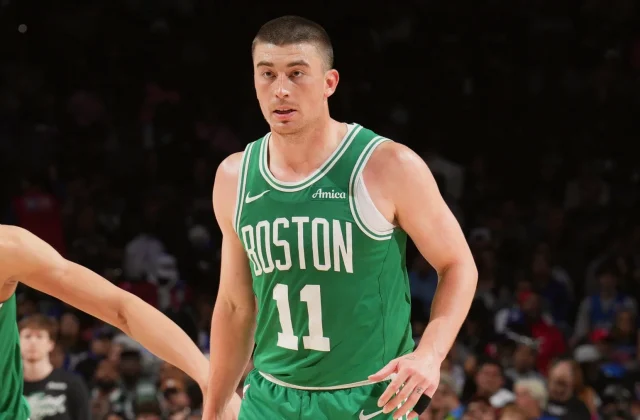
| 79 | Payton Pritchard, Celtics | Career highs came before Tatum returned and George arrived. A volume decline hurts a player whose fantasy case leans on threes. |
| 80 | Zach Edey, Grizzlies | Excellent per-minute scorer and rebounder after a foot-injury lost season. The decision point is whether he reaches 30 minutes. |
| 81 | Ryan Rollins, Bucks | His breakout came with Antetokounmpo sidelined. Herro, Kevin Porter Jr. and Pete Nance? No — Porter and Burries create a murkier backcourt path. |
| 82 | Ausar Thompson, Pistons | Defense is not the main payoff, but rebounding, steals and transition scoring translate. Thirty minutes would make him a value. |
| 83 | De’Aaron Fox, Spurs | Castle and Harper reduce his projected usage, but a healthy Fox can still produce around 22 points and six assists. |
| 84 | Mikal Bridges, Knicks | Durability matters over 82 games, though his per-game production fell and New York offers little reason to expect a rebound. |
| 85 | Jaden McDaniels, Timberwolves | An improving self-creator whose looks may become easier with Ball. He offers modest but balanced scoring, boards and defensive stats. |
| 86 | Coby White, Hornets | Charlotte’s unchallenged starting point guard role matters more than an injury-disrupted final Chicago season. |
| 87 | Jarrett Allen, Cavaliers | A dependable double-double floor, but slowly falling minutes and Cleveland’s frontcourt depth cap the upside. |
| 88 | Ja Morant, Trail Blazers | Per-game scoring and assists remain strong. Availability and the Portland guard crowd are the problems. |
| 89 | Darryn Peterson, Jazz | The No. 2 pick is expected to start at shooting guard. Volume can arrive even if his early efficiency is rough. |
| 90 | Paul George, Celtics | He has played 56 games or fewer in six of the past seven seasons and enters his age-36 year. His 3-and-D value is muted. |
| 91 | Miles Bridges, Suns | A secure-minute forward who scores and rebounds, though he sits behind Booker and Jalen Green in Phoenix’s offensive line. |
| 92 | Nic Claxton, Bulls | Chicago acquired him to play him. Rebounds, blocks and Giddey-created lob chances define the case. |
| 93 | Jabari Smith Jr., Rockets | A career-best 31.5 minutes produced balanced totals, but shots are scarce behind Durant, Şengün, Thompson and Fred VanVleet. |
| 94 | Norman Powell, Bulls | Two consecutive 20-point seasons on different teams make him more useful here than in categories, even with few peripherals. |
| 95 | Day’Ron Sharpe, Nets | Projected starter on a rebuilding team with elite rebounding rates and efficient interior scoring. |
| 96 | Cedric Coward, Grizzlies | A second-year breakout candidate with a clearer minute runway on a young Memphis roster. |
| 97 | Josh Hart, Knicks | Wing rebounds and assists work, but his minutes fell last season and New York’s rotation is already established. |
| 98 | Ty Jerome, Grizzlies | Posted career-best production in 15 healthy games. Talent is evident, but the minute projection remains uncertain. |
| 99 | Jalen Green, Suns | A scoring-burst player with limited extras, which plays better in points leagues than in category builds. |
| 100 | Jaime Jaquez Jr., Bucks | Improved sharply in Miami and has an inside track to forward minutes in an open Milwaukee rotation. |
| 101 | Darius Acuff Jr., Kings | A rookie point guard expected to start for a rebuilding club. Assists and turnovers should both arrive in volume. |
| 102 | Immanuel Quickley, Raptors | Threes and free throws support his category value, while Toronto’s crowd limits a merely solid raw points-and-assists line. |
| 103 | RJ Barrett, Raptors | A regular 20-point scorer whose limited category appeal becomes less important here. |
| 104 | Neemias Queta, Celtics | A breakout double-double season is now complicated by Mitchell Robinson joining the center rotation. |
| 105 | CJ McCollum, Hawks | Defined, steady backcourt scoring without major volatility or major ceiling. |
| 106 | Kristaps Porziņģis, Warriors | Per-game production outpaces this slot, but he has surpassed 65 games only twice and his minutes continue to decline. |
| 107 | Myles Turner, Bucks | Blocks and threes usually carry his value. A rough first Milwaukee year and an unsettled roster add risk. |
| 108 | Andrew Wiggins, Heat | Miami’s third scorer behind Antetokounmpo and Adebayo, expected to provide his familiar veteran output. |
| 109 | Isaiah Hartenstein, Thunder | Rebounds, passing and interior efficiency play, but calf trouble and Oklahoma City’s depth limit the ceiling. |
| 110 | Ayo Dosunmu, Timberwolves | Earned a five-year deal after thriving in a larger role. Minnesota’s pace should support real minutes, scoring and assists. |
| 111 | Yaxel Lendeborg, Warriors | A rookie with a potential starting lane in Golden State, making him a speculative minutes play. |
| 112 | Brandin Podziemski, Warriors | Another career-best season and a defined role. Guard rebounds and assists raise his floor. |
| 113 | Ajay Mitchell, Thunder | Oklahoma City’s wing departures open a usage path. He carries Sixth Man consideration and starter upside. |
| 114 | DeMar DeRozan, Nuggets | Can work as a 30-minute scorer getting open looks off Jokić’s creation. His value is almost entirely tied to points. |
| 115 | Khaman Maluach, Suns | Mark Williams’ expected absence could create a starting opportunity after an impressive Summer League. Double-double and two-block upside is speculative. |
| 116 | Jeremiah Fears, Pelicans | High-usage microwave scorer with a decent all-around line, though Murray’s return and Bennedict Mathurin’s arrival tighten the touch map. |
| 117 | Jalen Suggs, Magic | Steals, threes and defense carry much of his value, while health remains part of the calculation. |
| 118 | Peyton Watson, Cavaliers | His first clear full-time starting path follows a Year 4 Denver breakout, but Cleveland’s offensive pecking order limits usage. |
| 119 | Ace Bailey, Jazz | Closed his rookie season well and should find bench scoring volume even without a starting job. |
| 120 | Collin Murray-Boyles, Raptors | Earned a rookie role while Jakob Poeltl was injured. Versatility is present; available minutes are uncertain. |
The middle rounds are where the league’s new depth charts become most important. Charlotte offers a clearer runway to Miller, Knueppel and Coby White after Ball’s exit. Portland has the opposite problem: Morant, Lillard, Jrue Holiday and a returning Avdija create a crowded perimeter picture that will need to be monitored through camp and preseason rotations.
Rounds 11-13: Late Picks With Roles to Track
| Range | Player | Points-league notebook |
|---|---|---|
| 121 | Aaron Gordon, Nuggets | Injuries have been part of the recent file, but his role and chemistry with Jokić and Murray remain secure. |
| 122 | Jusuf Nurkić, Jazz | Likely to start after Kessler’s move to Los Angeles. Rebounds and center assists give him a usable late-round outline. |
| 123 | Toumani Camara, Trail Blazers | A starter-level 3-and-D wing has limited points-league appeal beyond minutes. |
| 124 | Kevin Porter Jr., Bucks | Career-best numbers in 38 games are now harder to repeat with Herro added, Burries in the mix and Rollins improving. |
| 125 | Keegan Murray, Kings | Played only 23 games last season. Sacramento’s rebuild should offer a healthy Murray minutes and shots, mostly through scoring and boards. |
| 126 | Sandro Mamukelashvili, Lakers | After a Toronto career year, he becomes the primary frontcourt reserve behind a thin Lakers group and carries sixth-man upside. |
| 127 | Fred VanVleet, Rockets | Missed last season with a torn ACL and shot poorly the year before. Assist volume is the reason to take the chance at age 32. |
| 128 | John Collins, Pistons | Replacing Tobias Harris should provide more minutes and touches than he had with the Clippers, with moderate scoring and rebounding. |
| 129 | Cameron Johnson, Nuggets | His Denver counting totals fell despite solid shooting. Any rebound depends on offensive volume returning. |
| 130 | Reed Sheppard, Rockets | Improved, but Houston added Marcus Smart and gets VanVleet back, narrowing the route to minutes. |
| 131 | Kyshawn George, Wizards | Made a real Year 2 jump, though Washington’s roster additions cloud both playing time and usage. |
| 132 | Davion Mitchell, Heat | Assist production, very low turnovers and a stable Miami role create his late-round case. |
| 133 | Maxime Raynaud, Kings | His rookie season made him relevant, but a healthy Sabonis blocks a major expansion. |
| 134 | Zach LaVine, Kings | High usage on a rebuilding roster is attractive, but he has missed 108 games over three seasons and could be dealt into a smaller role. |
| 135 | Cason Wallace, Thunder | Steals are his calling card, but he needs additional usage and shot attempts to become more than a category specialist. |
| 136 | P.J. Washington, Mavericks | A dependable starter with mid-teen scoring and about seven boards. Rookie Morez Johnson is the role risk. |
| 137 | Jrue Holiday, Trail Blazers | At 36, with Morant and Lillard ahead of him, his all-around contribution remains respectable while his workload shrinks. |
| 138 | Anthony Black, Magic | A third-year surge came amid teammate injuries. A healthy Orlando roster offers no obvious path to another major bump. |
| 139 | Egor Dëmin, Nets | Showed shooting touch as a rookie but struggled inside. Mikel Brown Jr., Randle and Porter now stand ahead in the offense. |
| 140 | Christian Braun, Nuggets | Expected to clear 30 minutes again, though last season’s across-the-board dip makes his production difficult to pin down. |
| 141 | Devin Vassell, Spurs | More useful for category managers chasing threes. His usage is declining on a team with more ball handlers. |
| 142 | Andrew Nembhard, Pacers | Put up 16.9 points and 7.7 assists with Haliburton out; Haliburton’s return makes that line a ceiling rather than the expected baseline. |
| 143 | Saddiq Bey, Pelicans | Had a career year after missing 2024-25, but New Orleans has a crowded group competing for the same possessions. |
| 144 | Mikel Brown Jr., Nets | Expected to start at point guard as a rookie on a weak team, a role that should generate points and assists. |
| 145 | Bennedict Mathurin, Pelicans | Reached career highs across two teams last season, but now projects closer to the sixth or seventh man as bench scoring. |
| 146 | Quentin Grimes, Lakers | Can operate as an outlet for Dončić and Reaves, with upside if he secures the No. 3 scoring role. |
| 147 | Collin Gillespie, Suns | Broke out while Phoenix was injured and signed an extension, but likely returns to a reserve job when the roster is healthy. |
| 148 | Tari Eason, Rockets | Strong per-minute scoring, rebounding and steal production is trapped inside a deep Houston rotation. An injury ahead of him would change the equation. |
| 149 | Jakob Poeltl, Raptors | A back issue limited him to 46 games and 25 minutes. Field-goal percentage was the standout stat, which does little here. |
| 150 | Grayson Allen, Hornets | Mid-20s minutes and three-point shooting make him more of a streamer in this format than a core late-round target. |
Late in the draft, starting jobs matter more than polish. Acuff, Peterson, Mikel Brown Jr., Wilson and Maluach all have rookie paths that could create immediate volume. On the veteran side, VanVleet, LaVine, Lillard, Porziņģis and Embiid offer stronger per-game outcomes than their ranges suggest, but each comes with a clear availability or workload warning.
Press-Table Takeaways
- Jokić remains the cleanest first pick because no player matches his nightly blend of scoring, rebounding, assists and availability.
- Dončić’s Lakers usage rises with James in Philadelphia, while Reaves becomes a more meaningful secondary creator.
- Philadelphia’s camp minute reports will matter immediately for Maxey, Brown, James and Embiid.
- Center playmaking remains a points-league advantage, keeping Jokić, Şengün, Sabonis and Towns near the top.
- Players driven by shooting efficiency, three-point volume, blocks or steals alone lose ground compared with category formats.
- Charlotte, Washington and Chicago carry several of the more interesting young-player volume bets because their rotations have openings to fill.