October has given hitters a sharper eye — and a louder voice at the plate.
In the postseason debut of the Automated Ball-Strike System, clubs have turned to robot-umpire challenges more often than they did during the regular season. Batters, meanwhile, have won those challenges at a higher rate once the games began to matter most.
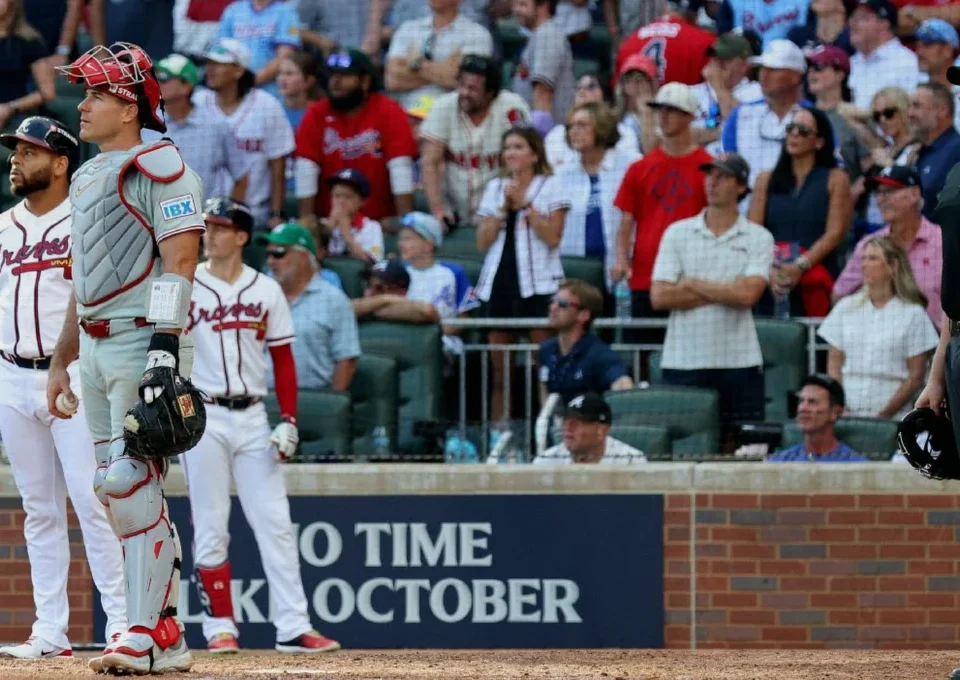
The change has added another layer to the October at-bat. A called strike or ball is no longer always the final word if a player believes the pitch missed or caught the zone. With teams carrying their challenge option into tighter, higher-leverage moments, hitters have been especially effective at getting questionable calls overturned.
More challenges in higher-stakes games
Teams have shown a greater willingness to use the Automated Ball-Strike System during the playoffs than they did over the regular season. The system’s postseason introduction has put managers, catchers and hitters in position to make quicker decisions on calls that can alter an inning.
For batters, the early postseason results have been stronger than their regular-season challenge record. Their success suggests that hitters have been selective about when to ask for a review, saving challenges for pitches they strongly believe were outside the zone.
A new October wrinkle
The automated review process does not replace the home-plate umpire on every pitch. Instead, it gives players and clubs a chance to contest individual ball-and-strike calls, bringing a technology-driven check into baseball’s most pressure-packed games.
That has made plate discipline, catcher communication and the timing of a challenge part of the postseason chess match. In October, one corrected call can extend an at-bat, change a count and reshape the next few pitches of a game.