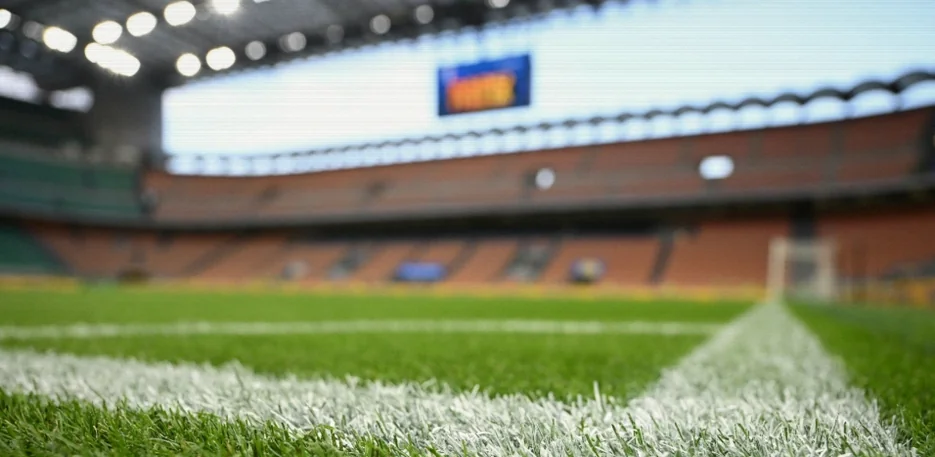
On 19 September, San Siro reaches its centenary: a stadium that has grown beyond its concrete and terraces to become one of Milan’s shared emotional landmarks. Its future demolition is approaching, yet the anniversary is less a call for prolonged mourning than an occasion to recognise a life in sport and culture that has already been unusually full.
A derby opened the gates
Milan and Inter inaugurated the stadium a century ago with a derby, and the occasion immediately supplied the scale of spectacle that would come to define the ground. Inter won 6-3, with nine goals arriving on the first afternoon in front of the new stands.
The stadium took its name from the nearby small church dedicated to San Siro, the saint associated in legend with the loaves and fishes offered to Jesus. From the beginning, the place seemed made for abundance.
- San Siro opened on 19 September with Milan facing Inter.
- Inter won the inaugural derby by six goals to three.
- Contemporary reporting described supporters arriving with high expectations after hearing of the new sporting venue.
- What they found, the report said, exceeded even the imagination created by those accounts.
The city’s place of meeting
From above, San Siro sits in the north-western part of Milan, but its position in the city has never been merely geographical. The Duomo may be Milan’s most recognisable monument, yet the stadium has held another kind of civic memory: embraces after victories, disappointment after defeats, kisses, tears and the collective rituals of matchdays and concerts.
Generations of children learned that the show on the pitch required an effort before the first whistle. They climbed the ramps towards the popular sections, with the ascent itself part of the education of going to the stadium.
Over 100 years, the ground has hosted much more than club football.
- Historic victories and generations of celebrated players have passed through its gates.
- It has staged major concerts as well as sporting occasions.
- Two Popes have appeared there.
- An Italian President was taken to the stadium by tram with Valentino Rossi.
A farewell without denying its fullness
San Siro is expected to be demolished soon, closing a chapter shared by Milan and Inter but also by a city that has repeatedly gathered there. The prospect naturally carries emotion, though the centenary invites gratitude as much as nostalgia.
The comparison with Rita Levi-Montalcini, who died at the same age of 103, offers the fitting thought for the occasion: the value of a life is not in simply extending its duration, but in filling its days. San Siro’s days have been filled with football, music, public occasions and memories that have outgrown any single result.
On its hundredth birthday, the stadium stands as proof that a ground can be rebuilt or removed, while the Sunday afternoons and extraordinary nights lived within it remain part of the city.