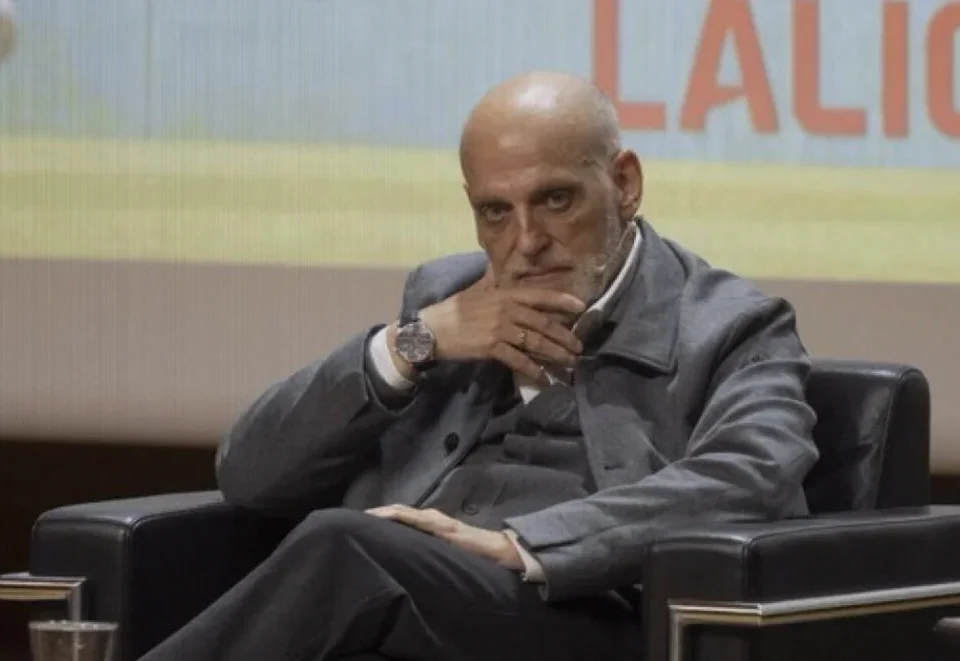
In Vigo, with the domestic game again squeezed by the expanding international calendar, LaLiga president Javier Tebas used a journalism and sport gathering to renew his warning that Spanish football is heading towards a divided future unless the schedule is brought under control.
Key takeaways
- Tebas described Real Madrid as Spain’s most rebellious club because of its leaders’ vision of the game.
- He argued that the growth of international, European and Club World Cup fixtures is overcrowding the calendar.
- The LaLiga chief said the current direction could weaken national competitions and create a “two-speed” football landscape.
- He believes the proposed Super League may have been halted in its original rapid form, but a slower version is still developing.
A debate in Vigo
Tebas appeared on Monday at the First National Conference on Journalism and Sport, staged by the Galician Association of Sports Journalists. The event also brought together Vigo mayor Abel Caballero and Celta de Vigo president Marián Mourinho.
Speaking about the tensions at the top of Spanish football, Tebas again addressed his differences with Real Madrid president Florentino Pérez. He said Madrid were the country’s most resistant club, not because of their sporting status but because their directors hold a fundamentally different understanding of football.
He extended that argument beyond Spain, naming Paris Saint-Germain president Nasser Al-Khelaifi as another major figure in the European debate. Tebas maintained that European football has built an exceptional model over the past two decades and said it must be protected from slipping away.
For him, the continent’s biggest names remain essential, but not sufficient on their own. Real Madrid and Barcelona may be the locomotives, he said, yet the rest of the competition must remain connected as the carriages behind them.
Calendar pressure and the Super League fear
Tebas pointed to LaLiga’s long-standing 20-club structure as evidence that the issue does not lie with the size of Spain’s championship. Instead, he blamed the increasing demands imposed around it: more national-team competitions, a larger European programme and the Club World Cup.
That accumulation of matches, he said, is making the football calendar increasingly congested and creating a far more difficult environment for domestic leagues.
His central warning was that continued inaction would damage national football and steer the game towards the kind of breakaway competition that some influential figures have sought. Tebas said Pérez’s fast-track version of the Super League had been stopped, but argued that a slower-moving alternative was already taking shape.
Without measures to halt that trend, Tebas said, the result would be football operating at two distinct levels, with the largest clubs pulling ever further away from the rest.