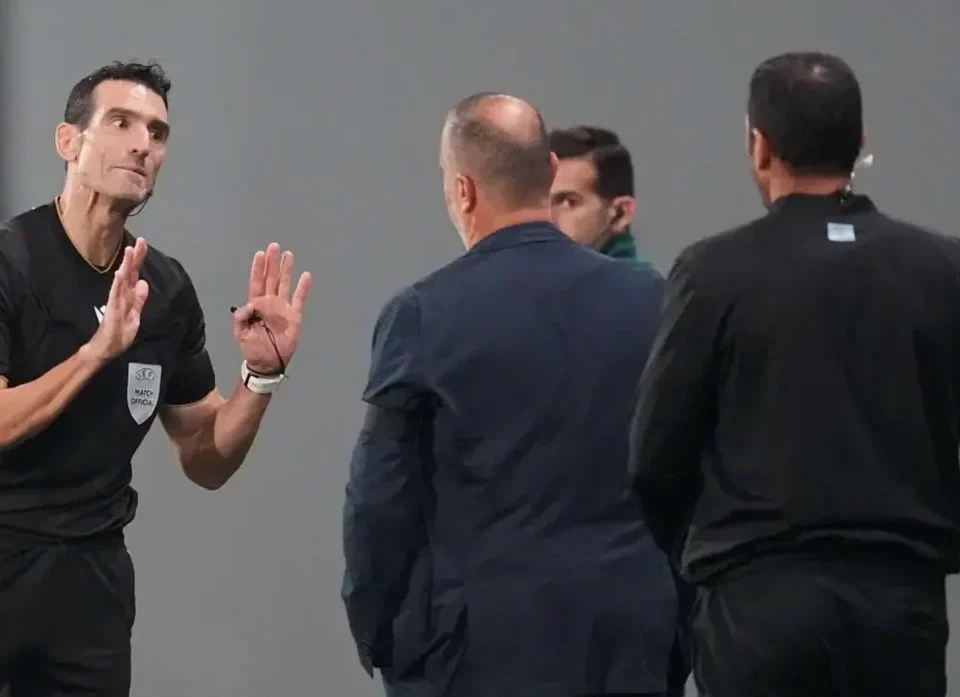
In the neutral setting of Serbia, the Republic of Ireland’s meeting with Israel carried the unresolved strain of a fixture moved far from Dublin and Tel Aviv. Spanish official Juan Martínez Munuera took charge as Ireland repeated its pre-match protest, while an allegation involving coach Heimir Hallgrímsson could yet reach UEFA’s disciplinary process.
Key takeaways
- The match was staged in Serbia, with Hungary having hosted the earlier meeting between the teams.
- Ireland’s players again lowered their heads during the Israeli national anthem.
- The Irish camp has alleged that an Israeli player spat at head coach Heimir Hallgrímsson.
- Alejandro Quintero, also from Spain, was appointed as the fourth official.
- If an incident is officially recorded and judged xenophobic, a player could face a suspension of up to 10 matches.
A match played under protest
The fixture had drawn opposition in Ireland because of the war in Palestine, and it was relocated to Serbia as a neutral venue. The first match had similarly been taken outside either country, with Hungary used as the host nation.
The latest game followed an already charged opening encounter. Before that earlier fixture, Ireland’s players declined to shake hands with their Israeli opponents. They also bowed their heads as Israel’s anthem was played and wore black armbands in remembrance of those killed in Palestine.
That anthem gesture was repeated in Serbia. The atmosphere remained tense through the first half, with the teams reaching the interval amid heightened confrontation around the match.
Officials may determine whether UEFA acts
Martínez Munuera, the Valencia-born international referee, was responsible for the match report, while Quintero worked alongside him in the fourth-official role. Attention will now turn to whether either official noted the alleged spitting incident involving Hallgrímsson.
UEFA’s security coordinator could also include the matter in their own report. A formal record of the allegation may provide the basis for European football’s governing body to begin an investigation.
Any potential sanction would depend on the evidence and UEFA’s assessment of the act. Should it be established and classified as xenophobic conduct, the Israeli player involved could be liable for a ban reaching 10 matches.