Chicago opens 2026-27 with a new decision-maker, a new coach and a roster built around the question that will define the season: how fast can a young core become a team that plays meaningful games after April? The Bulls went 31-51 last season, finished 12th in the Eastern Conference and missed the playoffs for a fourth consecutive year. Bryson Graham now leads the front office, Tiago Splitter takes over the bench, and No. 4 pick Caleb Wilson arrives as the newest piece of the rebuild.
A new-look rotation takes shape
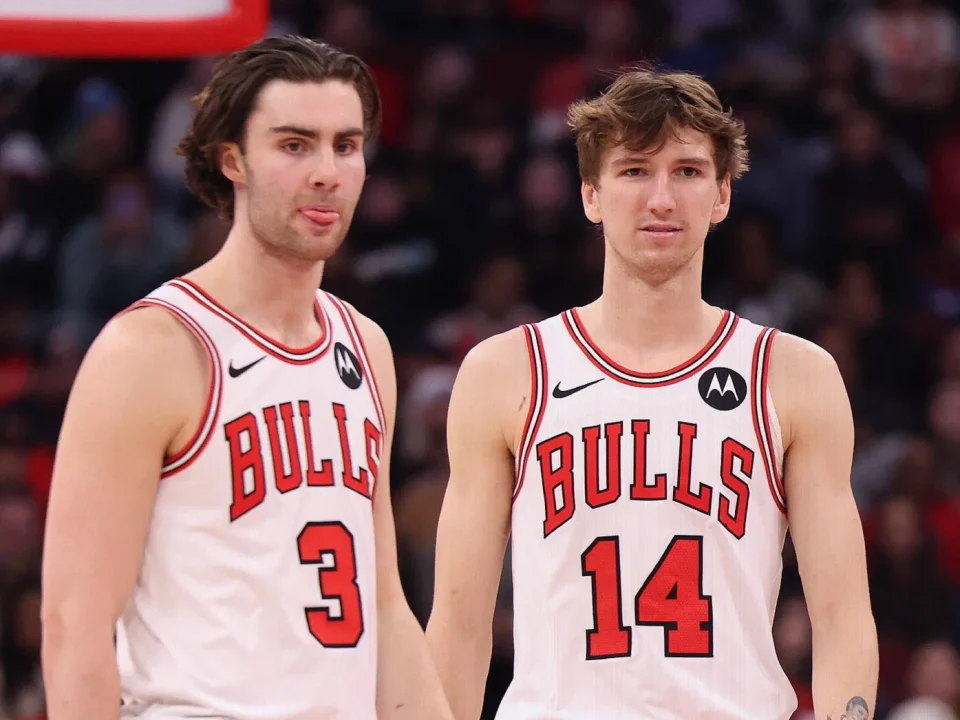
The Bulls have added veteran ballast around their younger players. Chicago signed Norman Powell following an All-Star campaign in Miami and brought in Nic Claxton from Brooklyn to take over the middle. Wilson, selected fourth after one season at North Carolina, joins a group that includes Matas Buzelis, Josh Giddey and Rob Dillingham; each is 23 or younger.
The early projected starting five is Giddey at point guard, Powell on the perimeter, Buzelis and Wilson in the forward spots, and Claxton at center. That lineup gives Chicago more size than it had a year ago, particularly if Wilson opens at the 3.
- Wilson made a positive early impression during Las Vegas Summer League, but October will provide his first real NBA test.
- Powell is adjusting to another new club after his move from Miami, where he earned All-Star recognition.
- Claxton arrives as Chicago’s new defensive anchor, carrying a career average of 1.6 blocks per game.
- Splitter inherits returning players who spent the past two-plus seasons playing under Billy Donovan, including Buzelis and Giddey. Buzelis is entering his third NBA year, while Giddey begins his third season with the Bulls.
Chicago’s postseason chances will hinge on whether that starting group finds chemistry quickly and whether its young players take another step. The immediate workload is especially large for Wilson, who is being asked to make an impact right away after his lone college season.
Buzelis is positioned for the next jump
Buzelis already made one significant leap in his second NBA season, moving into a full-time starting role and nearly doubling his rookie-year production. He posted 16.3 points, 5.8 rebounds, 2.1 assists and 1.5 blocks per game in 29.2 minutes, shooting 46.3% from the field and making 2.2 3-pointers a night.
The 2024 lottery selection had seven outings with at least 25 points. His high point came in a 41-point performance against Golden State, when he drilled a late 3-pointer in an overtime win. One of his explosive dunks also landed at No. 14 on the NBA’s Top 100 Plays of the 2025-26 season, matching his uniform number.
There is a defensive case for Buzelis, too. He finished 10th in the league in blocks last season, using his length and athleticism to make plays well beyond the rim. Claxton’s arrival should give the Bulls another shot blocker behind him, a needed upgrade for a defense that ranked 22nd in the NBA last season.
Powell and Wilson could also alter the space available to Buzelis. More shooting and a larger front line may create cleaner driving lanes for a forward who has been at his best attacking downhill and finishing above the rim.
The possession battle remains the problem
Chicago’s key statistical warning sign from last season was a 3.6-shot-opportunity deficit per game. Counting field-goal attempts and trips to the foul line, the Bulls generated 3.6 fewer chances than their opponents, the NBA’s third-worst gap.
The Bulls held up on the defensive glass, but they were one of only two teams, along with Washington, to finish in the bottom 10 in turnover ratio, opponent turnover ratio and offensive rebounding percentage. In short, they did not manufacture enough extra possessions at either end.
- A bigger group featuring Wilson on the wing could improve Chicago’s work on the boards.
- Forcing turnovers may remain more difficult. Powell averaged 2.2 deflections per 36 minutes last year, below the league average.
- Splitter’s Portland team was among the NBA’s least aggressive clubs defending pick-and-roll actions last season.
That puts a spotlight on Claxton’s rim protection, Buzelis’ versatility and the staff’s ability to build a defense that creates disruption without sacrificing structure. The Bulls do not need to solve every problem at once, but they cannot keep surrendering the possession count by this margin.
Dates that will test the new Bulls
The schedule offers Wilson several early stages against the rest of the 2026 draft class, while Powell and Splitter each get return trips to familiar places.
- Oct. 24, Wizards at Bulls: Wilson is set for his Chicago home debut against No. 1 pick AJ Dybantsa and Washington. The Bulls have won five straight against the Wizards.
- Dec. 16, Jazz at Bulls: Wilson meets No. 2 selection Darryn Peterson for the first time in the NBA.
- Dec. 21, Bulls at Heat: Powell returns to Miami for the first time since joining Chicago. The game is the second of three Bulls-Heat meetings over a 10-day stretch, with Giannis Antetokounmpo now part of Miami’s new-look group.
- Feb. 14, Bulls at Blazers: Splitter makes his first trip back to Portland after guiding the Blazers to a 42-40 record and a playoff berth as interim coach last season.
- Mar. 13, Grizzlies at Bulls: Wilson and No. 3 pick Cameron Boozer meet as the Rookie of the Year race reaches its late-season stretch.
Preseason will be Chicago’s first chance to see its new hierarchy in live action: Splitter’s system, Wilson’s first games since Summer League, Powell’s fit on the wing and Claxton’s role at center. The Bulls have changed plenty since the 31-win season. The next task is turning that change into a rotation that can hold up when the regular season begins.