With the final week of the 2026 regular season on the board, 12 clubs are moving toward October and 18 are preparing for an earlier winter. Some of those departures were always part of the plan. Colorado, Washington and St. Louis can point to progress even without a playoff berth. For a handful of other teams, though, the year landed far short of the expectations they carried into camp.
That does not make 2027 a dead end. The Rays and Braves were both below .500 and stuck in fourth place a year ago, and each has changed the view of its future in a hurry. The Blue Jays would belong in any discussion of major disappointments after reaching last year’s World Series, but their slim postseason chance remains alive for the moment. For the rest, the better question is not merely what went wrong, but whether the pieces are already in place for a rebound.
Reasons to believe around the American League
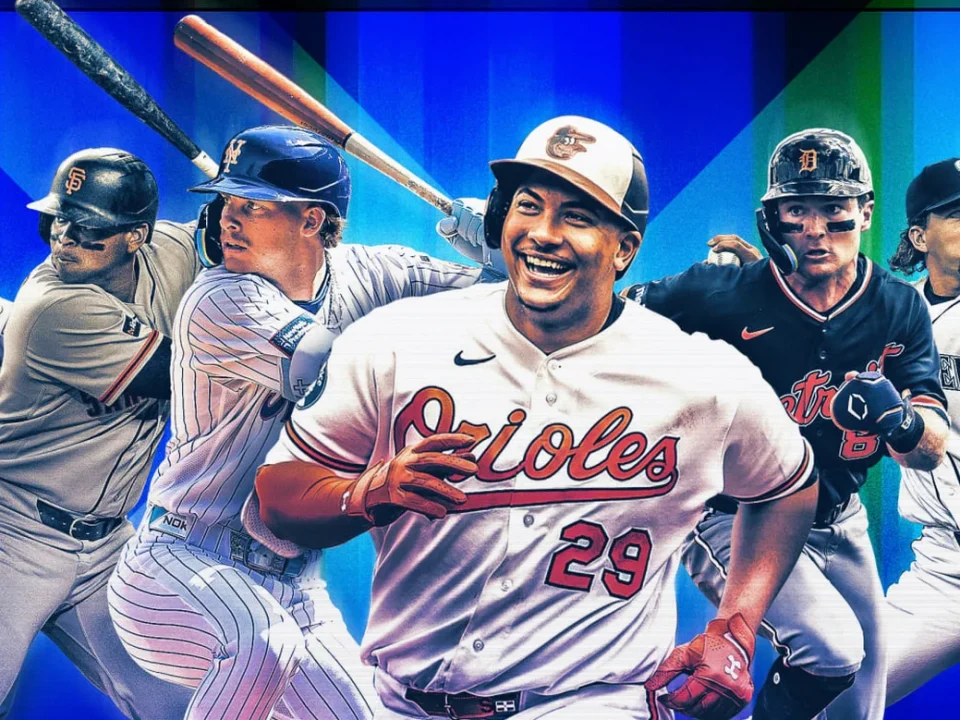
Baltimore has been waiting a long time for its rebuild to fully cash in. The Orioles won 101 games and the AL East in 2023, then reached the postseason in consecutive years, but they did not win a playoff game in either appearance. The last two seasons have gone the other direction, and Baltimore could be eliminated from contention as early as Tuesday.
The Adley Rutschman trade to Boston gave the season an especially uneasy feel. The Orioles brought back high-end prospects, making a baseball case for the move, but dealing a catcher of Rutschman’s stature to an AL East rival looked like a club stepping backward. Still, the roster is not barren. Jackson Holliday remains a young player capable of a larger breakthrough, Pete Alonso supplies a clear veteran voice, and a rotation that had been a source of frustration in recent years may actually have become a strength. The division will never be forgiving, but Baltimore still has enough in the room to imagine a year when the pieces finally arrive together.
Detroit made its own hard choice when it sent Tarik Skubal away at the Deadline, even though signs suggested the Tigers had played better than their record for much of the season. The return matters: Zyhir Hope, River Ryan and Brady Smith now give the organization three more significant building blocks. They join Kevin McGonigle, a leading American League Rookie of the Year candidate, Max Clark and Riley Greene, who is still only 25 despite five Major League seasons and three All-Star selections.
The Tigers lost a frontline arm, but they also became younger and deeper. Their path back may not depend on one dramatic winter move. This looks more like a club positioned to stay in the AL Central conversation for years, beginning with the next one.
Seattle’s season has been the roughest watch among the league’s clubs with legitimate October ambitions. Julio Rodríguez took an unexpected step back, Cal Raleigh endured a brutal year, and Colt Emerson and Brendan Donovan lost seasons. The lineup troubles and the general unease around the club piled up until the Mariners never found a steady rhythm.
There is, however, a sturdy foundation beneath the wreckage. Seattle still owns one of baseball’s better starting staffs, and it expects top pitching prospect Kade Anderson to be available for a complete 2027 season. Rodríguez and Raleigh have too much ability for their disappointing years to be treated as permanent verdicts. A fresh calendar, better health and a little ordinary luck may go a long way for a team that seemed to catch none this season.
National League clubs with unfinished business
The Mets have played a much stronger brand of baseball in the second half, fueled in large part by rookie seasons from Carson Benge, A.J. Ewing and Nolan McLean. Those three gave the club a glimpse of a younger core that should keep improving rather than merely filling roster space.
New York also expects full seasons from Francisco Lindor and Juan Soto in 2027. Soto remains the sort of hitter who seems destined to collect an MVP Award sooner or later, and the Mets have identifiable places to improve around their stars. Their farm system has already begun delivering Major Leaguers, with more help on the way. The organization has both the motivation and the means to keep pressing for a contender.
Pittsburgh entered 2026 believing its rotation, led by Paul Skenes, and an improved offense could end the club’s playoff drought. That breakthrough did not come, but the Pirates may finish above .500 for only the second time in 10 years, which still marks a meaningful step.
The starting-pitching depth remains a strength, and even Skenes has room for another level after posting a 114 ERA+ across 31 starts. Konnor Griffin, after holding his own in the Majors as a 20-year-old, should be healthy enough for a full season. Pittsburgh did not make the leap it wanted, but it may have built a runway for one.
San Francisco’s first year under manager Tony Vitello was untidy from the start, though the manager cannot reasonably wear all the blame after moving from the college game. The Giants never settled in, and the personnel changed so extensively that the club’s late-season lineup and rotation barely resembled the groups it opened with.
Even in that churn, Bryce Eldridge made an impression and looks built to send plenty of baseballs toward McCovey Cove over the course of his career. Rafael Devers gave San Francisco everything it could have asked from him and is expected to receive MVP votes for the sixth time. The Dodgers remain the towering obstacle in the NL West, but the Giants retain the financial strength, the fan base and the emerging young talent required to climb back into the fight.
October will arrive without these teams, barring Baltimore’s fading chance and Toronto’s still-alive long shot. But a missed postseason is not always an ending. Sometimes it is the last long homestand before a club finds the right rotation, the right lineup shape and, finally, the right October door.