Utah’s rebuild has reached the stage where simply being more competitive is no longer enough. After a 22-60 finish that left the Jazz 15th in the Western Conference, the target is a meaningful climb toward the Play-In picture — roughly 37 wins would put real weight behind the progress inside Delta Center.
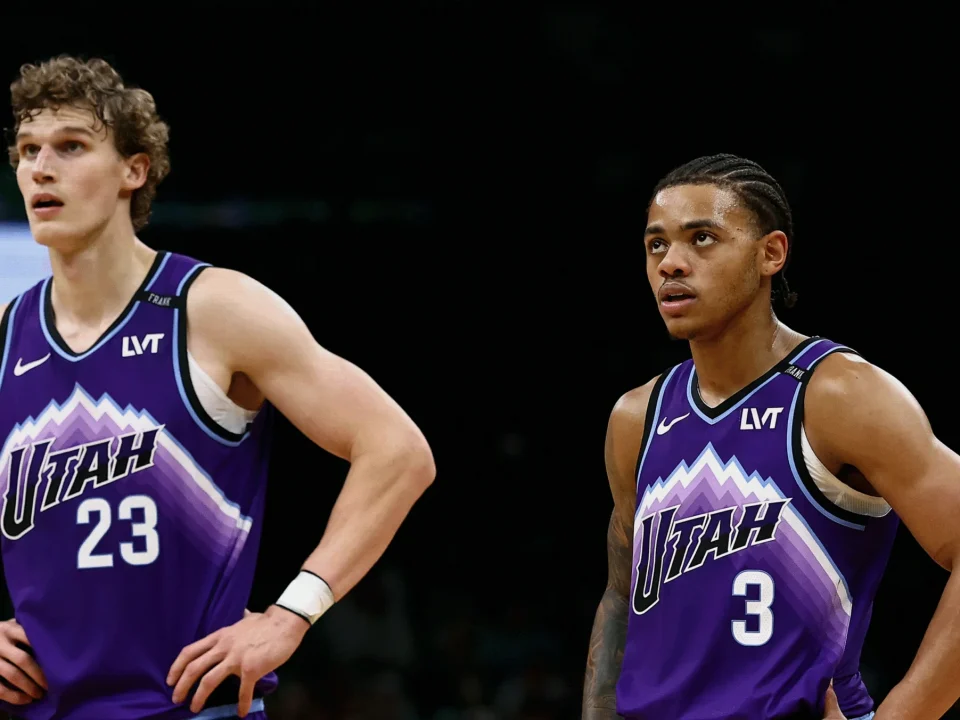
The Jazz moved from fourth to second in the lottery order, then selected Kansas guard Darryn Peterson to add another ready-made young piece. Peterson joins a roster that now has more options around Lauri Markkanen, Jaren Jackson Jr. and Keyonte George, but the rotation will be judged first by whether it can stop anybody.
Quick facts
- Utah finished 22-60 last season and missed the postseason.
- New additions include Josh Green, Jaxson Hayes, Jusuf Nurkić, Josh Okogie and rookie Darryn Peterson.
- Keyonte George signed a five-year extension worth $157.5 million.
- The Jazz scored 117.6 points per game last season, ninth in the NBA, while allowing a league-worst 126.0.
- Utah opponents made 15.3 3-pointers per game, the highest figure recorded in a season during the 3-point-line era.
Markkanen has a route back into the All-Star conversation if Utah’s record rises with him, though the Western field remains packed. Jackson’s availability and placement matter just as much. He appeared in only three games for Utah after arriving from Memphis because of knee surgery, but the former Defensive Player of the Year and three-time All-Defense selection gives coach Will Hardy a high-level back-line defender when healthy.
George’s extension locks in a central ballhandler, while Peterson could quickly take a starting spot beside him. That possible alignment would reshape the work for Ace Bailey, who started 61 of his 72 games as a 19-year-old rookie but may be more dangerous as a second-unit scorer.
Bailey’s first month showed the usual rookie turbulence. The fifth overall pick out of Rutgers hit just eight of his first 32 attempts and averaged 4.4 points across his first five games, before reaching 10.4 points per game through December.
His production climbed after New Year’s Day to 16.2 points and 4.9 rebounds per game. Hardy gave him more responsibility as the season moved along, and Bailey could get a broader offensive license if Peterson opens games with George.
Defense has to travel from training camp
Utah was 22nd in offensive efficiency but nearly impossible to trust on the other end, finishing 29th in defensive efficiency. It has landed among the league’s bottom two defenses in each of the past three seasons, and the perimeter numbers were particularly damaging.
Opponents took 45.1% of their attempts from beyond the arc against Utah, the NBA’s highest rate. Of those 3-point tries, 59% were classified as wide open, also the league’s highest mark.
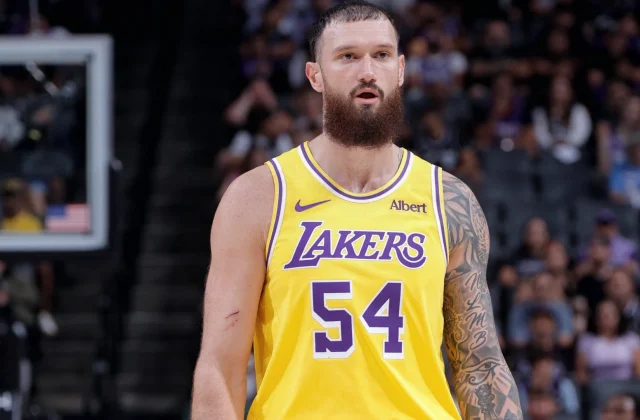
The departure of Walker Kessler for the Lakers does not make that repair job easier. Kessler, whose 2025-26 season was largely erased by shoulder surgery, signed a four-year, $130 million contract with Los Angeles. Hayes arrived in Salt Lake City on a two-year, $12 million deal and brings rim protection, while Green and Okogie give Hardy two perimeter defenders with more edge.
Jackson can cover mistakes as a help defender, but his frontcourt assignment remains one of the preseason’s larger questions. Nurkić supplies size, passing and regular double-double production, though he is not a classic paint deterrent. Hayes can block or alter shots but has limitations elsewhere, leaving Utah likely to use multiple center and power-forward combinations.
Isaiah Collier has made a separate case for a larger role. He reached 500 career assists in 81 games, ahead of John Stockton’s 93-game pace despite Stockton holding both the Jazz and NBA career assist records. Collier averaged 16.3 points and 10 assists per 36 minutes last season, and his transition passing could force additional guard minutes.
Dates that will test the Jazz
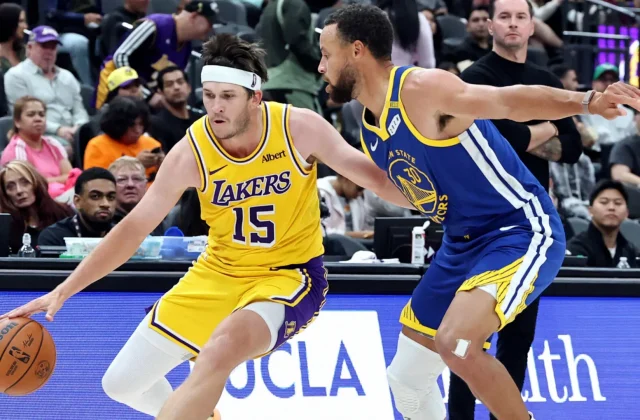
Utah opens one early measuring stick on Oct. 25, when the Lakers visit in each club’s third game. The frontcourt matchup will put Hayes against his former team and Kessler against the franchise that drafted him.
Denver comes to Utah on Nov. 27 with the Jazz carrying a 10-game losing streak against the Nuggets. That skid is one game longer than Utah’s current run of losses against Oklahoma City, and ending either pattern would be a tangible sign of growth within the Northwest Division.
The Dec. 27 game at Sacramento is the seventh of 13 meetings against Western clubs that occupied the conference’s bottom five spots last season. Utah, the Kings, Memphis, Dallas and New Orleans all finished at least 30 games below .500, making that stretch an early benchmark for the Jazz.
A difficult road-heavy segment begins Feb. 3 at Houston. Utah will play 11 of 14 away from Delta Center, then return from Philadelphia on March 8 with only five road games remaining among its final 16.
The first scheduled meeting between 2026 draft No. 1 pick AJ Dybantsa and No. 2 pick Peterson is set for Feb. 27 in Utah, after the All-Star break. The teams meet again in Washington exactly one week later.
There is enough offensive talent for the Jazz to move up from 17 wins to 22 and then keep climbing. The next step depends on Hardy finding workable lineups around Jackson, Markkanen and George — and on Utah turning all those open perimeter looks into contested ones.