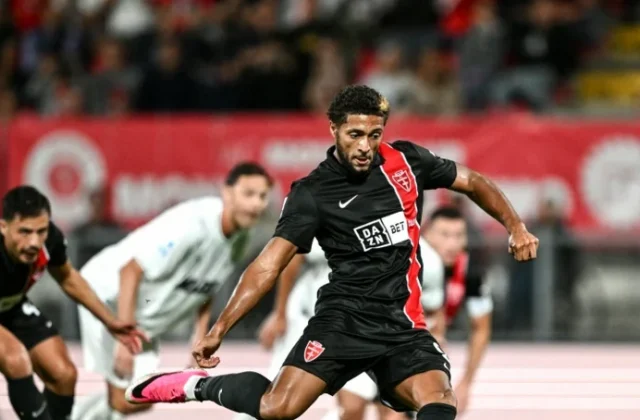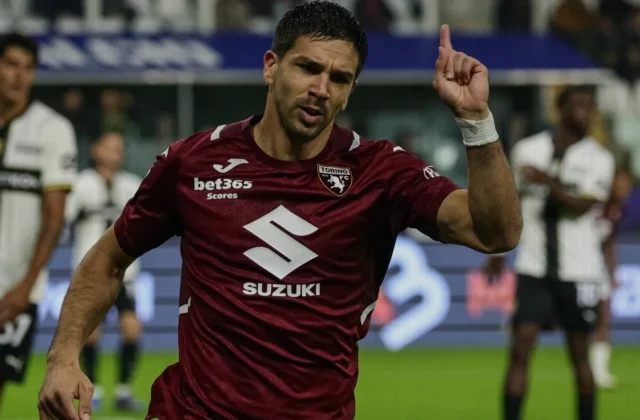
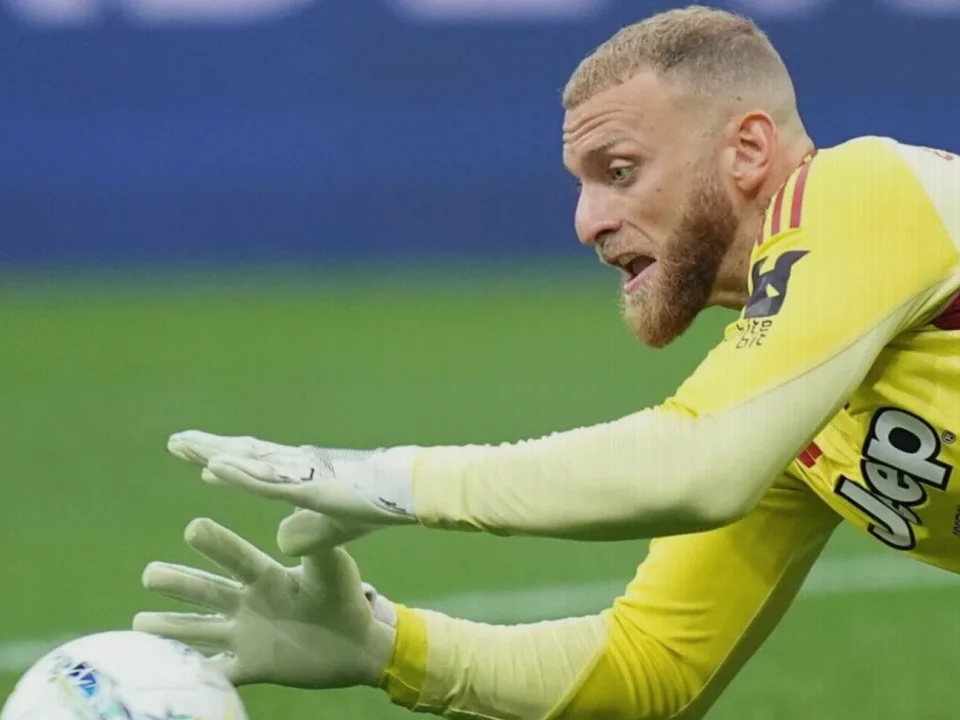
Bologna’s season has reached the point where isolated signs of improvement cannot be mistaken for solutions. Lukasz Skorupski showed a better side of himself against Inter, but the goalkeeper question remains open, while Raffaele Palladino is trying to give shape to a squad whose weaknesses were built into the summer.
The change on the bench has also brought a change of system. Palladino has moved the side away from Domenico Tedesco’s 4-2-3-1 and towards a 3-4-2-1, a decision that has altered the hierarchy across the pitch.
Quick facts
- Palladino has introduced a 3-4-2-1 after Tedesco’s 4-2-3-1.
- Nicolo Casale has benefited from the new defensive structure.
- Amondarain and Libra have found fewer opportunities in midfield.
- Riccardo Piccoli could miss up to three weeks with a physical problem.
- Bologna are considering January reinforcements in goal and midfield.
- Michele Di Gregorio is a possible target if Skorupski does not provide sufficient certainty.
Casale, previously unable to establish himself in the early matches, has been helped by the revised defensive set-up. At the same time, the new shape leaves less room for midfielders such as Amondarain and Libra, whose characteristics do not readily fit Palladino’s requirements.
The more pressing concern is at centre-forward. Artem Dovbyk cannot remain at his current level for much longer if Bologna are to avoid a serious problem. If he does not regain something close to his former effectiveness within a month, the club will have to confront the situation rather than rely on hope.
Palladino cannot be expected to continue with Piccoli and Enem as his only striking options. Piccoli was meant to be an alternative rather than the regular starter, and Bologna are now worried that a fitness issue could rule him out for three weeks.
A reduced squad meets a demanding winter
The spine of the team has exposed the scale of the task. Bologna’s goalkeepers have made too many mistakes, Lewis Ferguson has generally delivered performances around the six or six-and-a-half mark, and the forward line has become dependent on a player originally recruited for a supporting role.
Those problems trace back to a summer in which financial recovery took precedence over strengthening the football side. The result was a squad that became thinner and less balanced, with structural limitations now clearer under the pressure of the campaign.
Tedesco accepted the available resources and, in doing so, contributed to a situation that damaged both the club and his own position. His dismissal followed after a spell in which Bologna had not found the necessary answers.
The technical department has encouraging signals from Casteldebole, but planning for January cannot wait. Bologna are expected to examine the market closely, with the prospect of intervention increasingly difficult to avoid.
Goalkeeper is one of the files to watch. Skorupski’s next performances will influence the decision, yet Bologna are seriously considering a move if he cannot offer reliable guarantees.
Di Gregorio is more than a passing thought, provided the financial conditions are manageable. He has spent Bournemouth’s matches on the bench, while Palladino knows him well from their time together at Monza and remains an admirer of the goalkeeper.
Midfield will require attention as well. Tedesco had preferred El Azzouzi and sought a mezzala, leaving Freuler and Romano outside his preferred picture. Palladino, however, needs a holding midfielder, and Bologna are expected to provide one in January.
The immediate ambition is modest but important: move towards the area between ninth and 11th place rather than spend the second half of the season looking over their shoulders. For Palladino, this chapter is about making the available players work now, while the club prepares the repairs that winter may demand.